

Yes, you can white label when you're just starting your agency, and for a lot of new studios it makes sense. I say that as the person on the other side of the arrangement. I've worked as a white label designer and developer for seven years, and I've built more than 70 websites quietly for agencies and studios in the UK, Europe, Australia and the US, on Squarespace, Shopify, WordPress, Webflow, Framer and Wix.
Here's how I got into it, what it costs you, what I learned the hard way, and the one thing I'd do before hiring anyone.
How I ended up white labelling
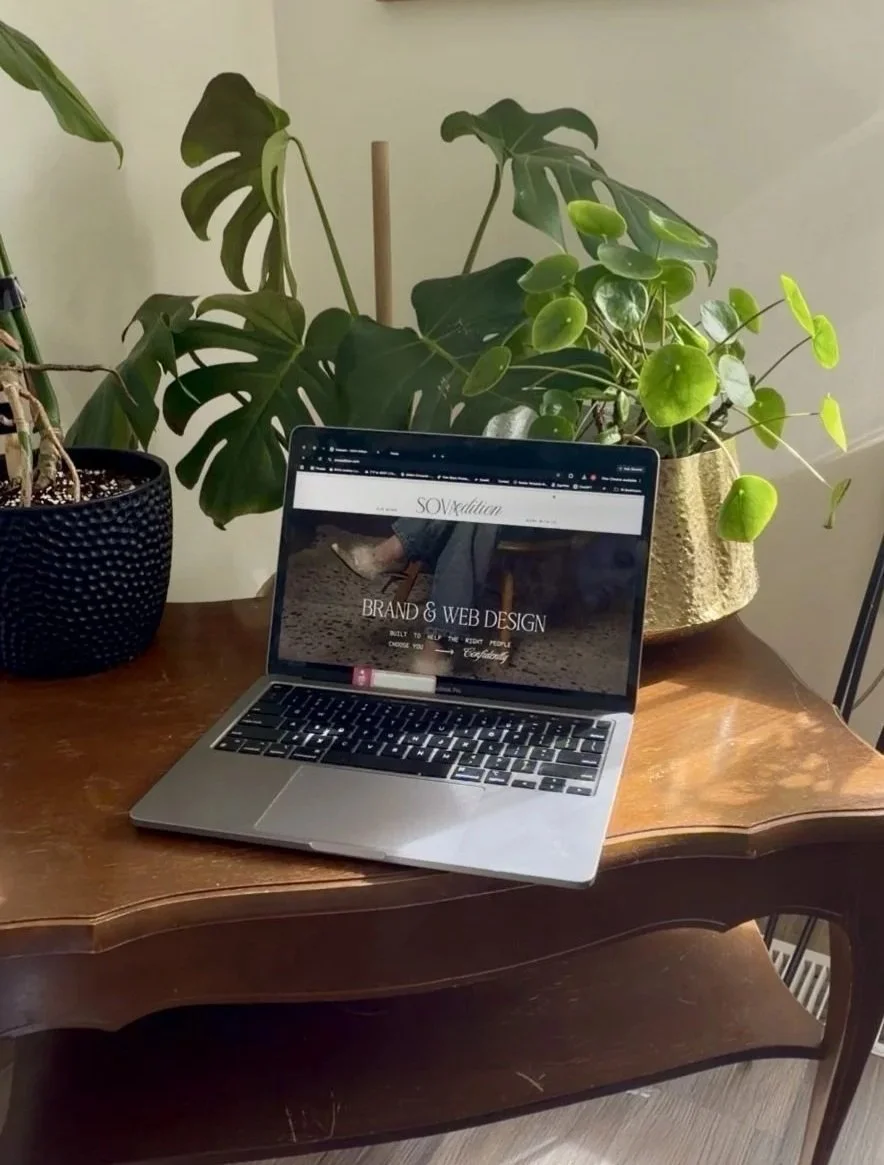
I didn't plan it. Seven years ago I was looking for new clients and found a job post. A designer wanted a white label designer and developer to support her studio. I applied, we got along, and I liked the work more than I expected.
I got to focus on the things I love and do best: designing and developing websites. I never talk to the end clients. I work behind the scenes, and it turned out to be a quiet, peaceful way to run a business. That's where I found my passion.
What white labelling costs you
This is the first thing most new agency owners worry about, so let me be clear. It doesn't cost you extra. Not one cent.
When we work together, you ask for my price and add it to your own project quote. Your client gets one invoice, from you, and my fee is already inside it. You split it up on your side, but your client never sees a second line and never pays more.
What you get back is time. You can take on more projects, stay with the design work you enjoy and hand the development to someone else.
A website due on Monday
One designer wrote to me on a Thursday. Her client needed a website finished by the following Monday. Four days, and two of them were a weekend.
I said yes and worked the whole weekend. On Monday it was done. She was surprised, her client was happy, and I was paid very well for it.
I'm not telling you this to praise weekend work. It shows what a partner does for a young agency: a designer with a tight deadline didn't have to turn the client away. She had someone to hand the build to.
What I learned in my first months
Pricing was the hardest part for me, by far. I wasn't sure I was good enough, and I second-guessed every quote. Looking back, it was the best learning experience I could have asked for. Working with designers taught me:
Development and coding skills I would never have picked up alone
How to find solutions when there seem to be none
How to trust myself
How to communicate clearly with designers
How to put a fair price on my own work
Keep that in mind when you look for a partner. A good one has been through the same doubts, and you can talk about money openly from the first message.

Should you white label when you're just starting?
When it makes sense
It makes sense when you have projects coming in and want your time back for design. It also helps when a client has a tight deadline, or when you want to say yes to more work than you can build yourself. If you’re wondering about using the same developer for multiple client projects, I’ve covered that in another post.
When it's too early
If you don't have a client yet, you have nothing to hand over. Put your energy into landing a first project and building your own process. And if you don't have a brand identity or design files ready, you aren't ready to brief a developer either. Which brings me to the one thing I'd do before hiring anyone.
Write a proper brief
After seven years, I can tell you the brief decides whether a white label partnership works or falls apart. An incomplete brief stalls the project, piles up revisions and puts the relationship under strain. A good one means a multi-page site can be built in two to three days, and nobody loses sleep over it. I go into more detail in my guide on how to communicate project briefs to white label developers.
A bad brief
Early in my career, a client handed me a Squarespace site with only two rough sections done on the homepage and asked me to finish five full pages. There was no brand identity, no style guide and no direction at all.
I tried to build it anyway. Without a clear vision or any assets, my first result missed expectations she had never told me about. She was disappointed, the project stalled, and we never worked together again.
A great brief
A great brief takes the guessing out of it. I get everything up front, before I write a single line of code:
A complete brand identity, including logos, colour palette, typography and brand guidelines
Visual direction, such as links to active social accounts like Instagram or a Pinterest mood board, so I can see the tone and the vibe
A short video walkthrough where you explain the brand strategy, your client's goals and the key user flows
Structured design files, either wireframes or polished Figma and Adobe XD files with clear comments
When the brand elements and design files arrive together, I move much faster. If I'm designing and building, the brand identity and mood boards let me connect with the brand straight away. If I'm only developing, wireframes and commented Figma files mean I can start coding the same day. With a thorough brief, a custom 20-page website, hand-coded in HTML, CSS and JavaScript, can be done in as little as two to three days.
Build trust before the build starts
Handing a client project to someone outside your team takes trust, and the best way to build it is honest communication before any work begins.
Book a short kickoff call. It lets us meet as real people, walk through the wireframes, look at my recent work and agree on the goals.
Give me a heads-up a few days ahead, so I can block out the time and give the build my full focus.
Check the live site whenever you like. You're never left wondering how it's going.
What a calm workflow looks like
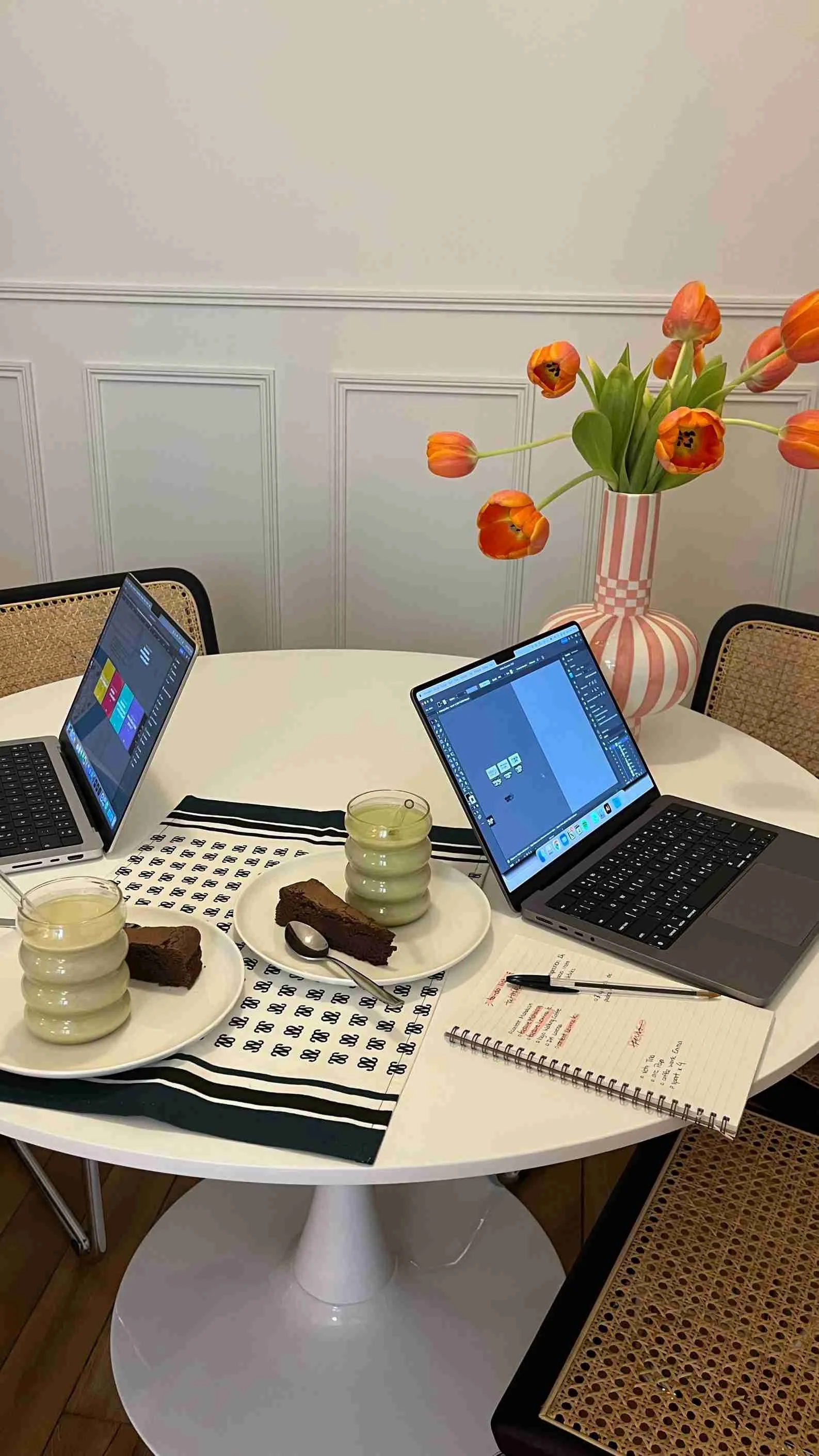
The point of a good brief is a quiet, focused build. Once it's handed over, it usually goes like this:
I confirm my availability a few days before the build.
You send everything at once: brand assets, Figma files and a video walkthrough.
I build the site with as few interruptions as possible, which keeps it fast and precise.
We review the finished build together and go through your client's feedback rounds.
My take for new agency owners
White labelling isn’t something to be afraid of when you’re starting out, and if you’re asking whether white label design is sustainable long term, I’ve written about that too. The cost sits inside your project price, you get your time back, and you can focus on the design work you enjoy. Seven years, more than 70 sites, a 20-page build in two or three days: all of it leans on a clear brief. Get yours in order first, and the rest gets a lot easier.
If you'd like to talk through a project, send me a message through the contact page.
